A building’s hidden systems decide how healthy it is to occupy, and water is one of them. The tanks, calorifiers, pipework, outlets and showers that serve a commercial building need the same disciplined hygiene regime as its ventilation, for the same reason: left unmanaged, they become a place where contamination builds quietly until it turns into a health risk, a compliance failure or both.
Our own engineers carry out the risk assessment, the sampling and the remedial work. Samples are analysed by an independent UKAS-accredited laboratory, so the result that lands in your logbook is verified by someone with no stake in the outcome. That split is the point: delivering in-house keeps the cycle on time, and independent analysis keeps the evidence clean.
Why water hygiene sits alongside ventilation hygiene
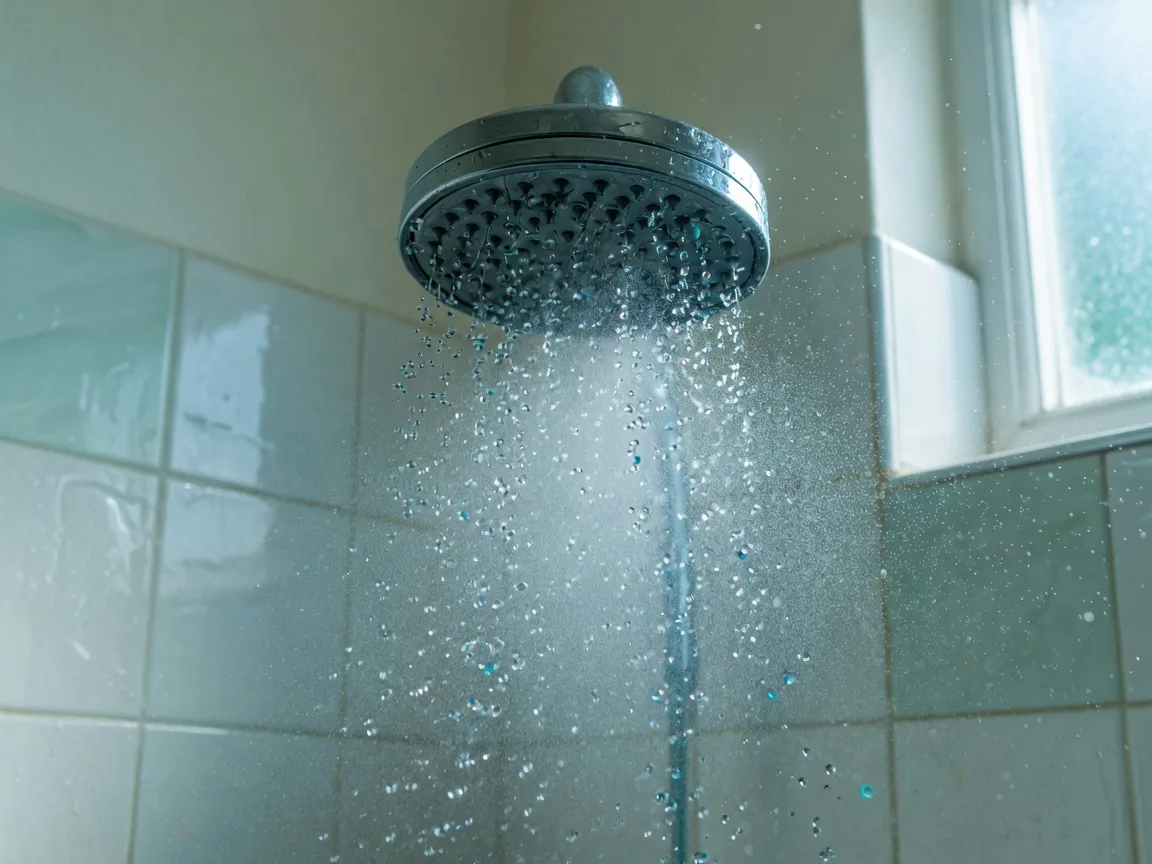
The two disciplines answer the same question for different systems: what is the real condition of the services this building depends on, and can you prove they are under control? The habits transfer directly. Planned inspection rather than reactive callout, work carried out to recognised guidance, and every visit documented so the building’s compliance file tells the whole story. If you already trust us with your ductwork cleaning or air handling units, water hygiene extends that same discipline to the wet services.
There is also a practical overlap. Legionella bacteria are a waterborne organism, but the route into the body is airborne: fine water droplets from showers, spray taps, and evaporative plant. Managing that risk properly means thinking about water and air together, which is exactly where we sit.
What our water hygiene services cover
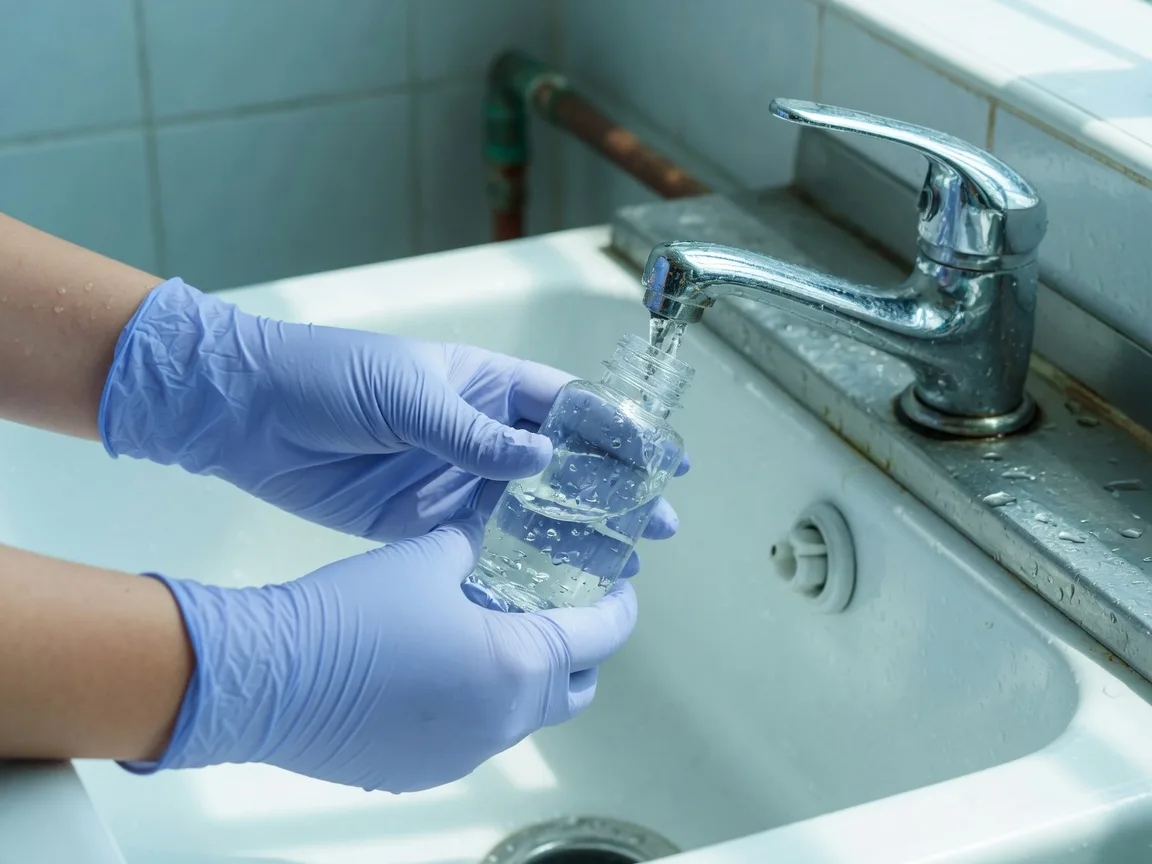
- Legionella risk assessments to ACoP L8 and HSG274. Our own engineers review your hot and cold water systems: where water is stored, how it moves, where it stagnates, which outlets are used and which are not, and where the risks actually sit.
- Sampling to BS 7592. Taken by our engineers and analysed by an independent UKAS-accredited laboratory.
- Tank and calorifier inspection and cleaning. Inspected, photographed, and cleaned and disinfected where condition requires it, with before and after evidence.
- Temperature monitoring, flushing regimes and TMV servicing. Sentinel outlets checked, little-used outlets flushed, thermostatic mixing valves serviced, and the results logged.
- Chlorination, disinfection and remedial works. Following tank works, alterations or periods out of use, so the system returns to service in a defensible condition.
- Written scheme of control, logbook and records. Every task documented in a form your compliance file, your insurer and your auditor can rely on.
The compliance picture
Water hygiene in UK commercial buildings is not optional. Under the Health and Safety at Work etc. Act 1974 and the COSHH Regulations, whoever controls a building has a duty to assess and manage the risk from legionella. The framework for doing that is set out in the HSE’s Approved Code of Practice L8 and its supporting technical guidance HSG274, which describe the regime a duty holder is expected to run: a current risk assessment, a written control scheme, routine monitoring, and records that show all of it actually happened.
That last part matters most in practice. When an environmental health officer or an insurer asks about your water systems, the answer is your paperwork. Our job is to make sure the work is done and the evidence exists, in the same way our fire damper testing and ductwork reports give you a defensible audit trail for the air side of the building.
Frequently asked questions
What is water hygiene and why does my building need it?
Water hygiene is the planned inspection, monitoring, cleaning and disinfection of a building’s water systems: tanks, calorifiers, pipework, outlets and showers. Commercial buildings need it because stored and distributed water can support bacterial growth, including legionella, and because the law places a duty on whoever controls the premises to manage that risk. A run of good habits, temperature checks, flushing, tank inspections and clear records, is what keeps a system safe and provable.
Who is responsible for legionella control in a commercial building?
The duty holder: normally the employer, landlord, or the person in control of the premises, which in practice often means the facilities manager. The duty holder does not have to do the work personally, but they do have to make sure a competent party assesses the risk, runs the control scheme and keeps the records. That is the role our engineers take on, with sample analysis carried out by an independent UKAS-accredited laboratory, and we report in a form that shows the duty is being discharged.
How often should water tanks be inspected and cleaned?
Cold water storage tanks should be inspected regularly, with annual inspection the common baseline, and cleaned and disinfected when the inspection shows they need it: sediment, scale, corrosion, staining or anything else that compromises water quality. The honest answer on cleaning frequency is that it depends on the condition found, which is why we photograph and report every inspection rather than cleaning to an arbitrary calendar.
Do you provide the records needed for a compliance audit?
Yes, and we treat the records as part of the job rather than an extra. Risk assessments, inspection reports, temperature logs, flushing records, and cleaning and disinfection certificates are all documented and handed over, so your logbook shows a continuous, dated trail of control. If you have taken over a building with no water hygiene history, we can establish the baseline and build the file from there.
Can you combine water hygiene with our ventilation contract?
That is exactly how most of our clients use it. One contractor covering ductwork, kitchen extract, fire dampers and water hygiene means one schedule of planned visits, one point of contact and one consistent standard of reporting across the building’s hidden systems. It also means fewer gaps, because nothing falls between two contractors each assuming the other has it covered.
Get the water side under control
If your water hygiene records are thin, your tanks have not been looked at in living memory, or you simply want the wet and air systems of your building managed to one standard, tell us about the building and we will set out what a proper water hygiene regime looks like for it.