Camera-verified cleaning of ventilation ductwork to BESA TR19, with a compliance report and photo evidence.
Cleaned, tested and certificated to BESA TR19
Photographic evidence filed with every job
A named engineer replies within 24 hours
Request your free survey
BESA TR19 & TR19 GreaseBESCA Vent Hygiene AssociatePart of Gemini AMPM · est. 19970330 043 0080 · 24/7
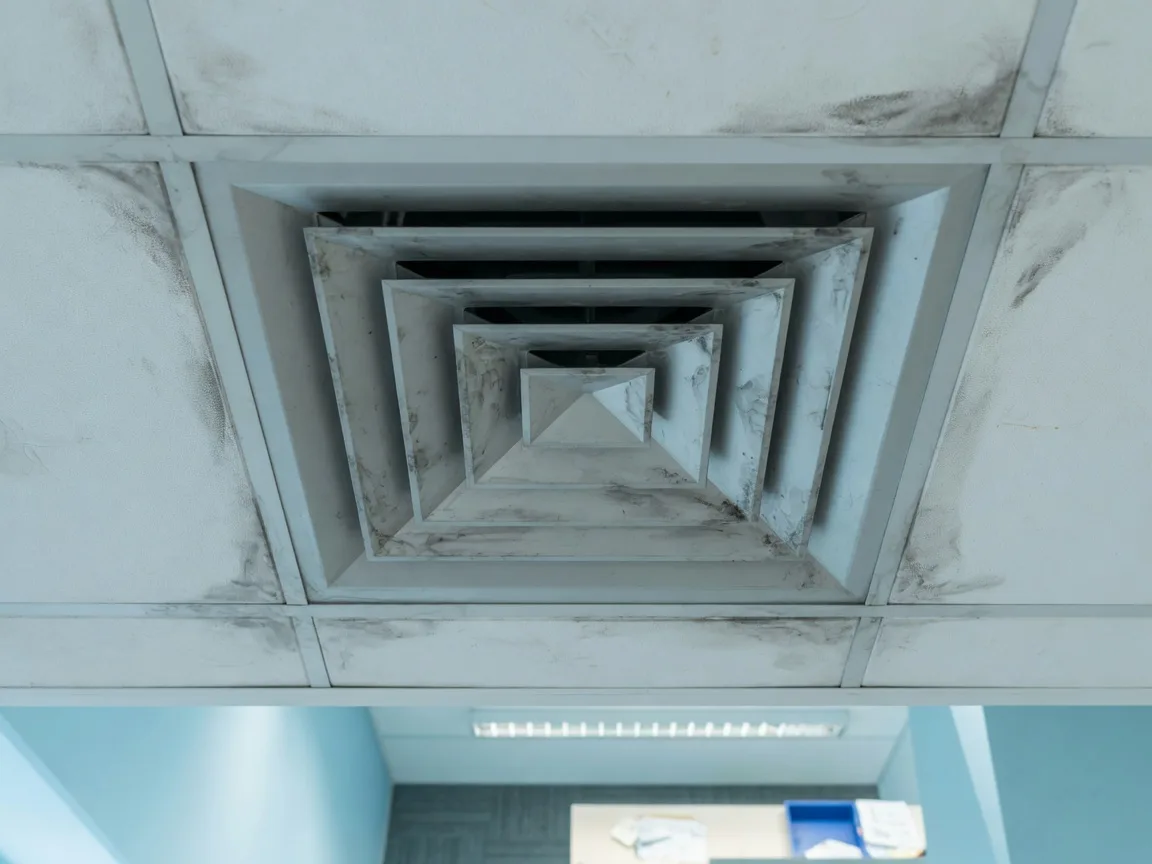
Dirty ventilation ductwork moves contaminated air through your building and drives down indoor air quality. Our technicians survey, clean and verify supply and extract systems to BESA TR19, the recognised standard for ventilation hygiene. Clean Ducts is a BESCA Vent Hygiene Associate member, and our cleaning technicians are trained by BESA.
Why routine ductwork cleaning is necessary
Poor indoor air quality affects the health and wellbeing of everyone in a building, and dirty ventilation systems are a direct cause. In the UK, providing a safe and healthy working environment (including clean indoor air) is a legal duty for employers under the Health and Safety at Work etc. Act 1974 and the Occupiers’ Liability Act 1984.
Those duties require ductwork to be cleaned regularly and kept under a suitable system of maintenance. This applies across commercial buildings, including workplaces, accommodation and public facilities.
BESA TR19 is the leading guidance on ventilation hygiene and sets the benchmark for the internal cleanliness of ductwork. Insurers also expect ventilation systems to be cleaned on a regular basis in line with TR19, and letting this slip can compromise your cover.
How our air ventilation cleaning works
We combine four methods to reach and clear the inside of the system:
Camera inspection to record the starting condition and locate build-up
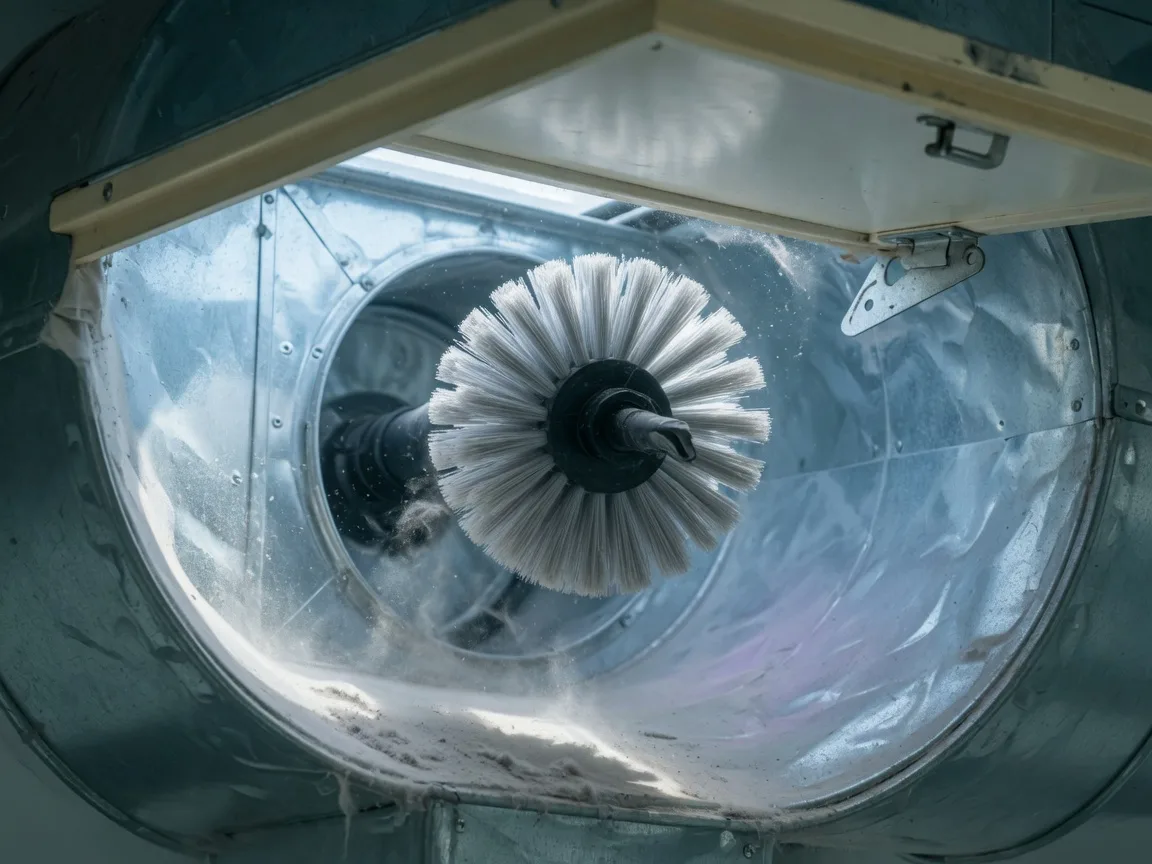
Rotary brushing to break deposits off the duct walls
Air moving to carry loosened debris to collection points
Compressed-air jetting to clear what brushing leaves behind
Ventilation systems are cleaned to BESA TR19. Kitchen extract ductwork is cleaned to TR19 Grease, the standard that applies to grease-bearing extract systems.
Frequently asked questions
How often should ventilation ductwork be cleaned?
There is no single fixed interval. BESA TR19 takes a risk-based approach: the right frequency depends on what the system serves, how heavily it is used and how quickly deposits build up inside the duct. A busy kitchen or healthcare setting will need attention far sooner than a lightly used office floor. The practical route is to have the ductwork inspected, measure the deposit level against TR19 benchmarks, then set a cleaning and monitoring schedule from real evidence rather than guesswork. Our camera survey records the internal condition, so you know exactly where your system stands before committing to a clean.
Is ductwork cleaning a legal requirement in the UK?
No law names duct cleaning as a task in itself, but the duty behind it is real. The Health and Safety at Work etc. Act 1974 requires you to provide a safe, healthy working environment, and Regulation 5 of the Workplace (Health, Safety and Welfare) Regulations 1992 requires mechanical ventilation systems to be maintained, including cleaned as appropriate, in an efficient state, in efficient working order and in good repair. Dirty ductwork undermines both. Insurers also expect ventilation to be cleaned in line with BESA TR19, and letting that slip can compromise your cover, so the certificate and photographic report you receive after each clean matter as much as the clean itself.
How much does air ventilation and ductwork cleaning cost?
Every system is priced on its own merits, because four things drive the cost: the size and layout of the system, meaning the length of the duct runs and the number of branches and floors, how easy the ductwork is to reach, the level of contamination the survey finds, and the hours we need to work around your operation. Rather than quote blind, we survey the system first, free of charge, and then give you a fixed quotation for exactly the work it needs. That way you are never paying for guesswork on either side.
Do you clean kitchen extract ductwork as well?
Yes, and it is treated as its own discipline. Grease-bearing extract systems are covered by TR19 Grease, a separate specification from the general TR19 standard, because grease deposits are a fire risk rather than just a hygiene issue. We deep clean canopies, extract ductwork and fans back to bare metal and certify the result, which matters to your insurer as well as your fire risk assessment. If your building has a commercial kitchen, see our kitchen extract cleaning service for the full detail of what a grease clean covers.
What happens to the fire dampers inside the ductwork?
Fire dampers sit inside the ductwork where it passes through fire-rated walls and floors, and dirt or debris can stop them closing when it matters. BS 9999:2017 calls for fire dampers to be drop tested at least once a year, and contamination found around a damper during a clean is a warning sign worth acting on. Cleaning the ductwork and testing the dampers are separate jobs, so if yours are due an inspection our fire damper testing and maintenance service covers drop testing, cleaning and photographic reporting for each damper.
Does the clean cover the air handling unit too?
The air handling unit is where the system starts, and a dirty AHU feeds contaminated air into ductwork you have just paid to clean, so it makes sense to deal with both. Air handling unit cleaning is carried out to the same BESA TR19 standard, with reporting that evidences the result. A clean unit also runs more efficiently, which cuts energy use, and removing flammable dust from the unit reduces fire risk. If you want the AHU included, tell us when you book the survey and we will scope it into the same visit.
Proof of quality and compliance
After the clean you receive a detailed report with before-and-after photographs of the ductwork, plus a certificate recording your compliance with the relevant British Standards, health and safety duties and BESA TR19. That gives you documented evidence for your health and safety records, and we handle the paperwork.
To find out where your ventilation system stands, request a survey and we will report on its condition and the cleaning it needs.